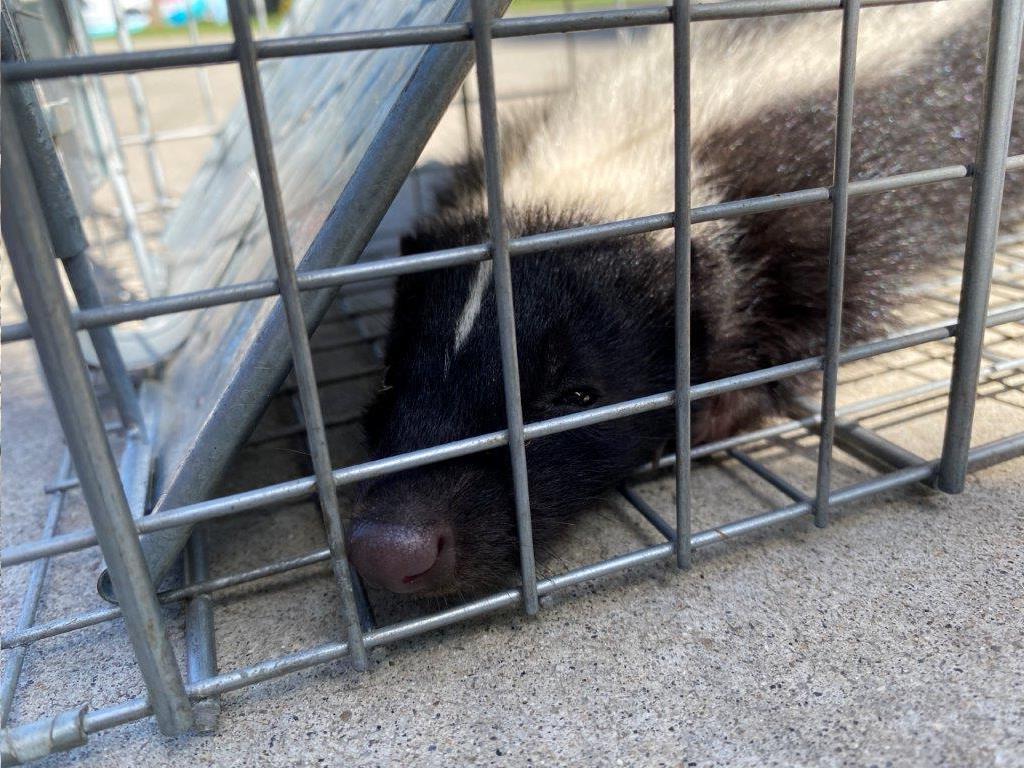
A skunk is one animal that you rarely see because it keeps to its own company and is most active at night. Skunks, like most wild animals, carry a lot of pathogens like bacteria, fungi, viruses, and worms. They are hardy animals and seldom fall sick, but they sometimes become ill and need medical assistance.
Skunks are most active at night. Therefore, it is difficult to recognize when they are sick or in need of medical help. However, whenever people see skunks during the day, they believe the skunk to be rabid and often try to kill it. In most cases, this assumption is untrue, and hence, it is necessary to learn the symptoms that a sick skunk displays.
Symptoms of a Sick Skunk
Sick skunks display the following symptoms:
· WEIGHT LOSS: A sick animal will lose the taste for food and, therefore, will get thin and emaciated. You can judge emaciation by looking out for prominent ribs and bones, hollow and yellow eyes, and dry skin that signifies dehydration. A sick skunk will show no interest in food or foraging.
· SKIN AND FUR CONDITION: It is easy to tell a sick skunk from the skin condition. Most times, the skin appears taut and drawn over the bones, looking dry and dehydrated. The skunk may have external parasites within the fur, making the coat appear matted with split ends. In most sick skunks, you may observe hair loss in areas like the stomach and back, leaving bald patches that may show signs of inflammation like redness, tenderness, and swelling. A sick skunk may also have a dry nose and bilateral ocular discharge.
· STRANGE GAIT: A skunk is likely sick if its gait is uncoordinated, and it appears disoriented. A sick skunk moves at an exaggeratedly slow pace and may appear to be dragging its feet or have shivers and tremors as it moves. It does not run when you approach it and drags its hind limbs behind it when walking. Some conditions that can affect a skunk's gait include injuries on the paws, nervous and skeletal conditions, and broken bones.
· IRRATIONAL BEHAVIORS: Sick skunks may show some unusual behaviors like hydrophobia or an aversion to water, aggressiveness, fearlessness, and boldness. These are signs of rabies in skunks, and you should not approach or engage a skunk that shows these symptoms. Others include biting at anything that moves, growling and vocalization, teeth grinding, and bruxism.
· DENTAL ISSUES: Sick skunks can also have issues with their teeth; this will give you a good picture of the disease condition of the skunk. Some of the dental problems common to sick skunks include yellow teeth, soft and bleeding gums that may be swollen or split. This makes it difficult for the skunk to chew, forage or feed, and most times, the pain keeps them from feeding.
· SMELL: Usually, you recognize the presence of a skunk by its unique scent, which is foul-smelling and pungent. This scent is a unique defense mechanism that sticks to you, and it is difficult to get off. However, a sick skunk gives off a variant of its usual odor, and you immediately know that something is wrong. You can judge their health state further by observing their state of alertness, body condition, and activity. A healthy skunk is naturally antisocial and steers clear of humans and other animals. When a skunk approaches you and tries to attack without provocation, the skunk is likely rabid and a health risk.
The best help you can offer to a sick and unhealthy skunk is to contact the wildlife rehabilitation center in your state and report all the signs you observe in the skunk.
Go back to the Carroll County wildlife removal home page.